
Table of Contents
- Why Nigerian Restaurants in London Are Worth Seeking Out
- What to Expect from Nigerian Food in London
- Nigerian Jollof Rice in London: The Dish Everyone Argues About
- Open-Fire Cooking and What It Does to the Food
- Nigerian Restaurants for Groups in London: What to Check Before You Book
- Nigerian Restaurants for Celebrations in London: Birthdays, Milestones and Big Nights Out
- How to Choose the Right Nigerian Restaurant for Your Occasion
- Conclusion
- Frequently Asked Questions
Last Updated: October 22, 2026
Why Nigerian Restaurants in London Are Worth Seeking Out
London's dining scene rewards curiosity, and few corners of it repay that curiosity as generously as Nigerian cooking. The city now has a thriving spread of Nigerian restaurants, from casual canteens serving jollof rice at lunch to ambitious kitchens plating open-fire grilled meats and seafood for a full evening out. This guide from Monika Restaurants covers what to expect, what to order, and how to pick the right room for the occasion.
The appeal is straightforward: bold seasoning, smoke from live fire, and a style of eating built around sharing. Portions are generous, tables fill up with platters, and meals stretch across hours rather than minutes.
That convivial rhythm is exactly why so many groups book Nigerian restaurants in London for birthdays and celebrations. Below, we'll explain the dishes that define the menu, why open-fire cooking changes the flavour, and what to check before booking for a large party.
What to Expect from Nigerian Food in London
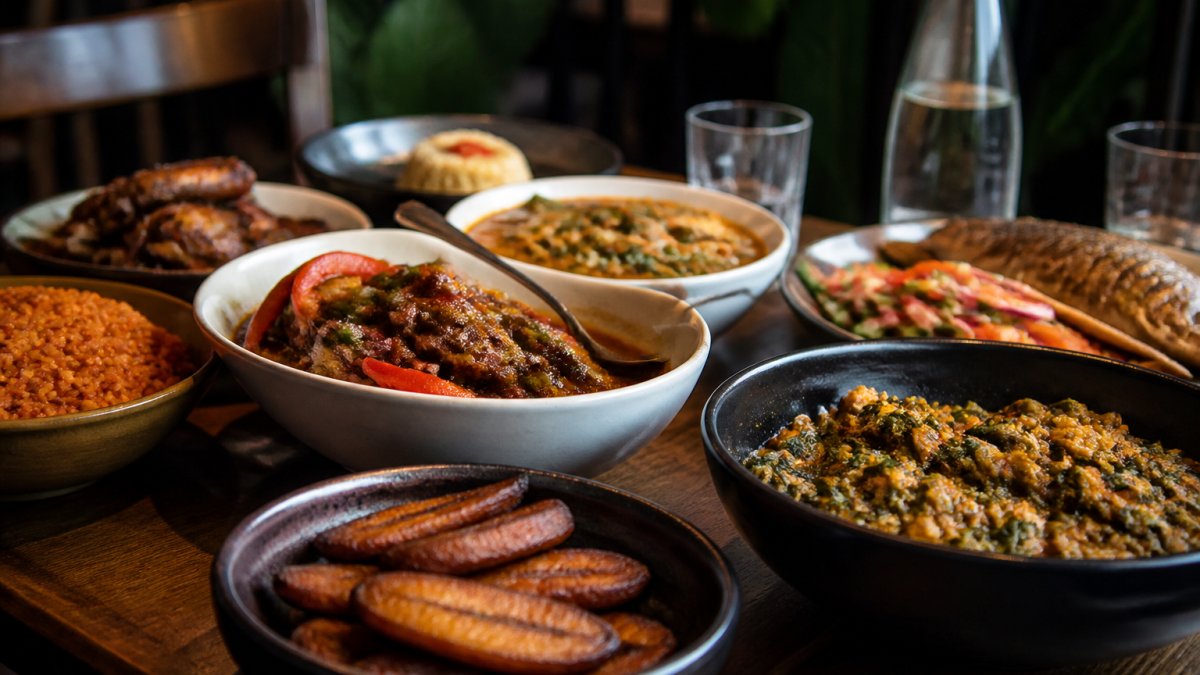
Expect deep, layered seasoning and a menu built for sharing rather than delicate individual plates. Nigerian food in London tends to arrive in generous portions, with rice, grilled meats, seafood and stews designed to be passed around the table.
The Dishes That Define the Menu
If you are new to the cuisine, these are the dishes worth ordering first:
- Jollof rice - the smoky, tomato-based rice that anchors most menus
- Grilled meats - marinated beef, chicken and goat cooked over coals
- Suya-style skewers - spiced, charred and served with sliced onion
- Peppered seafood - prawns or fish in a rich, fiery sauce
- Plantain - fried sweet or savoury as a side
- Sharing platters - the easiest way to try several dishes at once
Nigerian Jollof Rice in London: The Dish Everyone Argues About
Jollof rice is the dish that starts friendly arguments across West Africa, and Nigerian jollof rice in London carries that reputation proudly. The Nigerian version is typically cooked down in a tomato and pepper base until the rice takes on a deep red colour and a smoky edge, often finished over fire for a light char at the bottom of the pot.
Open-Fire Cooking and What It Does to the Food
Open-fire cooking is not a styling choice. Grilling over live coals renders fat, chars the outside of the meat, and pushes smoke through the seasoning in a way a conventional oven cannot match. The result is a firmer crust, a juicier centre, and a flavour that lingers.
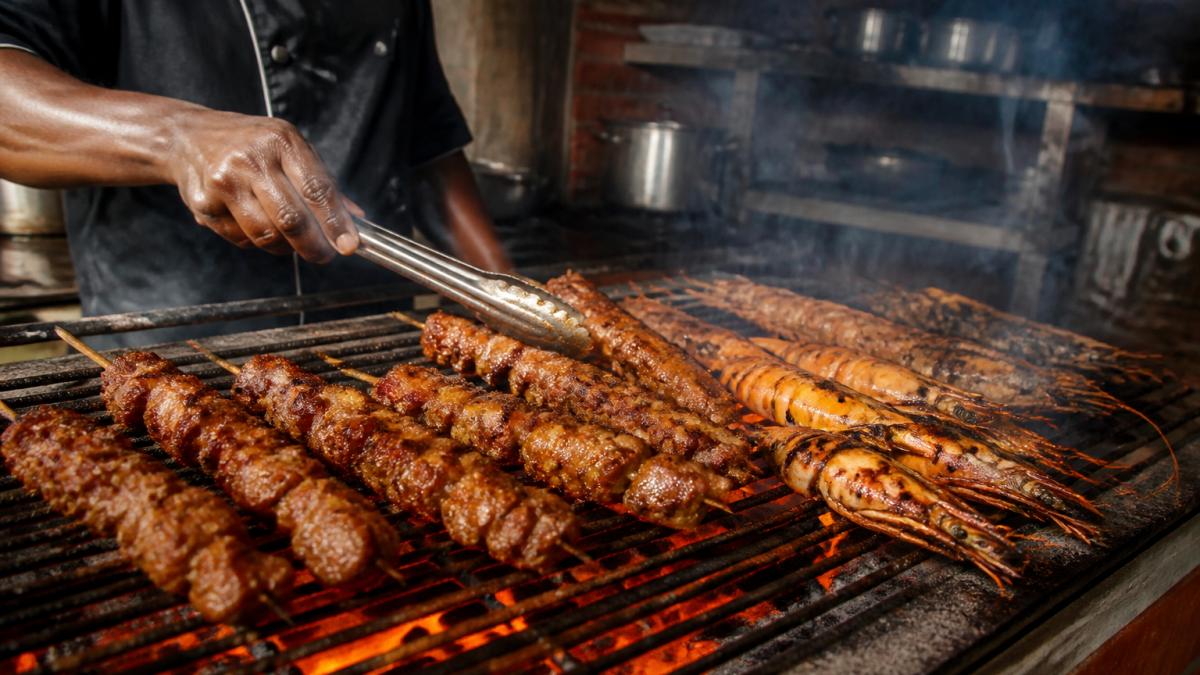
In practice, this means grilled meats and seafood are the dishes to prioritise.
Nigerian Restaurants for Groups in London: What to Check Before You Book
Booking for a group needs a little more planning than a table for two. Nigerian restaurants for groups in London vary widely in capacity, and the best experience comes from asking the right questions before you commit. Confirm the maximum table size, whether sharing platters can be arranged in advance, and whether a deposit or minimum spend applies.
Three checks worth making:
- Can the kitchen handle your party size without splitting you across rooms?
- Are sharing platters available, and can dietary needs be flagged ahead?
- Is there a deposit or minimum spend, and what is the cancellation policy?
Nigerian Restaurants for Celebrations in London: Birthdays, Milestones and Big Nights Out
Celebrations suit this style of dining. Nigerian restaurants for celebrations in London tend to lean into atmosphere: music, live entertainment, and a room that stays lively well into the evening. Birthdays and milestones work particularly well because the food is built for sharing and the energy carries the table.
At Monika Restaurants, we host exactly this kind of evening in Deptford, with African-inspired open-fire cooking, live drumming and saxophone sets, and a bottomless brunch for weekend groups. Our team accommodates larger bookings for friends, family and colleagues, and the contemporary dining room is designed for lingering rather than a rushed turn.
How to Choose the Right Nigerian Restaurant for Your Occasion
Match the room to the reason you are going out. A quiet dinner and a milestone party call for different settings, and the right choice depends on four factors.
| Occasion | What matters most | What to check |
|---|---|---|
| Date night | Conversation and pacing | Seating away from speakers |
| Group dinner | Table size and sharing | Platters and deposit terms |
| Birthday or milestone | Energy and entertainment | Live music schedule |
| Weekend brunch | Time and value | Sitting length and drinks included |
Work through the table above before you book. The single biggest factor is honesty about the occasion: a room built for a party will not suit a quiet anniversary, and a hushed dining room will fall flat for a group of fifteen.
Our advice is to call the restaurant directly and describe what you are planning.
Conclusion
Choosing well comes down to matching the room to the occasion. Monika Restaurants offers African-inspired open-fire cooking, live entertainment with drumming and DJs, and a bottomless brunch built for weekend groups, all in a contemporary Deptford dining room that handles large bookings with care. Book a table with Monika Restaurants and let the kitchen and the music do the rest.
Frequently Asked Questions
Where can I find Nigerian restaurants in London?
Nigerian restaurants are spread across London, with a strong cluster in south-east London around Deptford, Peckham and Camberwell. Monika Restaurants in Deptford serves African-inspired open-fire cooking, seafood and grilled meats, with live entertainment and a bottomless brunch. When choosing, check the menu covers both jollof rice and grilled dishes, confirm whether groups need a deposit, and look at how the venue handles noise if you want a quieter date night. Booking ahead is sensible for weekend slots and larger tables.
What should I order at a Nigerian restaurant?
Start with jollof rice, the smoked tomato and pepper rice that anchors most Nigerian menus, and pair it with grilled meats or seafood. Suya, the spiced skewered beef, is a good entry point if you are new to the cuisine. Sharing platters let a group try several dishes at once. If you prefer familiar flavours, grilled chicken, steak and prawns are usually available alongside the more adventurous options, so you do not need to commit to something unfamiliar on a first visit.
Are there Nigerian restaurants in London suitable for groups?
Yes, several venues cater to larger bookings, but the details matter. Ask about the maximum table size, whether a deposit or minimum spend applies, and whether the kitchen can serve everyone at roughly the same time. Nigerian restaurants for groups in London often work best when you pre-order sharing platters. For parties of 15 or more, contact the venue directly rather than booking online, and confirm how the space is arranged so the group stays together rather than being split across rooms.
What is the difference between Nigerian and West African cuisine?
Nigerian cuisine is one part of West African cooking, with its own signature dishes and seasoning habits. Jollof rice, egusi soup, suya and pounded yam are distinctly Nigerian, while neighbouring countries have their own versions of similar dishes, often with different spices and cooking methods. The jollof rice debate between Nigeria and Ghana is the best-known example. At a Nigerian restaurant, expect rice dishes, rich stews, grilled meats and peppery marinades rather than a broad pan-African menu.