
Last Updated: October 26, 2026
Quick Summary
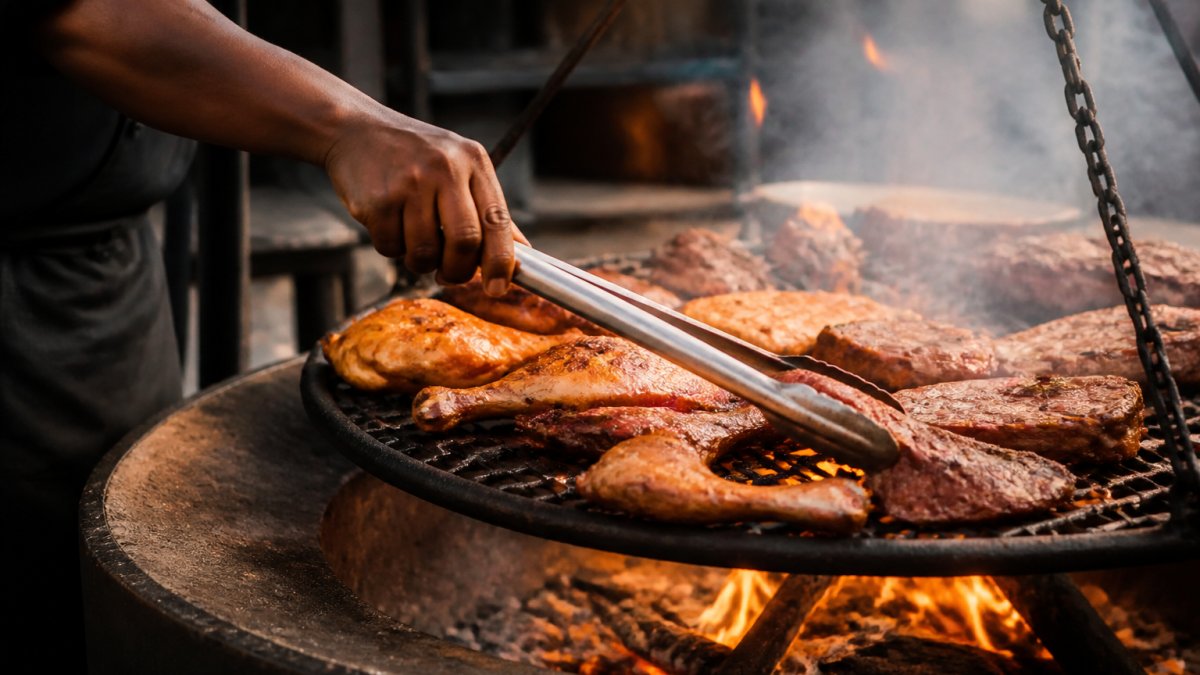
Open fire cooking taste benefits come from the Maillard reaction, smoke compounds and char that develop when food hits an open flame. The direct heat creates brown, savoury flavours whilst different woods produce distinct smoke profiles that add layers of complexity to meat and vegetables.
- The Maillard reaction creates brown, savoury flavours on food surfaces when exposed to high heat from open flames
- Different woods produce different smoke profiles: oak tastes earthy, apple offers subtle sweetness, cherry adds fruity notes, and hickory delivers bold smoky depth
- Char on the outside creates a crust with bitter, complex notes that contrast with the tender interior
- Temperature zones from open flames mean different parts of food cook at different rates, adding texture variation to every bite
- Proper technique requires preheating the flame, using high heat for searing, avoiding constant movement, and resting meat after cooking
Table of Contents
- Why Open Fire Cooking Taste Benefits Matter
- The Science Behind Superior Flavour from Open Flames
- Open-Fire Cooking Techniques That Enhance Flavour
- Selecting Wood Types for Maximum Taste Impact
- How to Grill Suya for Authentic Nigerian Flavour
- Nigerian Suya Seasoning and Flavour Development
- Experience Open Fire Cooking at Monika Restaurants
- Frequently Asked Questions
Why Open Fire Cooking Taste Benefits Matter
Open fire cooking taste benefits go far beyond simple nostalgia. When you cook over an open flame, something fundamental changes in how food develops flavour. The direct heat, the smoke, the char, these aren't just aesthetic touches.
Think about the difference between grilled meat and pan-fried meat. Both are cooked. Only one tastes like it's been kissed by fire. That's the power of open fire cooking taste benefits.
The real appeal isn't that open fire cooking is trendy.
The Science Behind Superior Flavour from Open Flames
When food hits an open flame, the Maillard reaction kicks in immediately. This is the chemical process that creates brown, savoury flavours on the surface of meat and vegetables. The higher the heat, the faster this happens. Applying a dry spice blend before searing provides a robust foundation for enhancing flame-cooked flavours while ensuring the crust develops a complex, aromatic depth.
Smoke plays an equally important role. As wood burns, it releases compounds that settle onto food. These compounds add layers of flavour that develop over time. Different woods produce different smoke profiles. Oak smoke tastes different from cherry smoke. Hickory smoke carries its own distinct character.
Char isn't damage, it's flavour. When the outside of meat blackens slightly, you're creating a crust while adding bitter, complex notes. This contrast between the charred exterior and the tender interior is what makes grilled food taste so compelling.
The open flame also creates temperature zones. Hot spots and cooler spots mean different parts of the food cook at different rates. This variation in texture and doneness adds interest to every bite.
Open-Fire Cooking Techniques That Enhance Flavour
The way you position food over the flame matters enormously. Direct heat sears the outside quickly. Indirect heat, where the food sits beside the flame rather than over it, cooks more gently.
Timing is critical. Rush the process and you'll get raw centres with burnt exteriors. Move too slowly and the inside cooks before the outside develops colour. The skill lies in reading the heat and adjusting position accordingly.
The Science of Cooking guide from food research institutions explains how temperature control affects protein structure and moisture retention. Understanding these principles helps you make better decisions about how long to cook and when to move food around.
Here's what separates good grilled food from exceptional grilled food:
- Preheat properly. The flame should be established and stable before food touches the grill
- Use high heat for searing. Get a strong crust before moving to gentler heat
- Don't move food constantly. Let it sit long enough to develop colour
- Rotate for even cooking. Quarter turns create those attractive crosshatch marks
- Rest after cooking. Meat continues cooking internally and reabsorbs juices
Watch out: overcrowding the grill drops temperature and creates steam rather than sear. Cook in batches if needed. One perfectly grilled piece beats a plate of mediocre ones.
Selecting Wood Types for Maximum Taste Impact
Different woods burn at different temperatures and release different smoke compounds.
Hardwoods are essential. Softwoods like pine produce resinous smoke that tastes bitter and unpleasant. Hardwoods burn cleaner and create smoke that complements rather than overwhelms.
Here's a practical framework for matching wood to protein:
| Wood Type | Smoke Intensity | Best Paired With | Flavour Character |
|---|---|---|---|
| Oak | Medium-strong | Beef, lamb, fish | Earthy, balanced |
| Apple | Mild | Chicken, pork, vegetables | Subtle sweetness |
| Cherry | Mild-medium | Poultry, pork, duck | Sweet, fruity notes |
| Hickory | Strong | Beef, dark meats | Bold, smoky depth |
How to Grill Suya for Authentic Nigerian Flavour
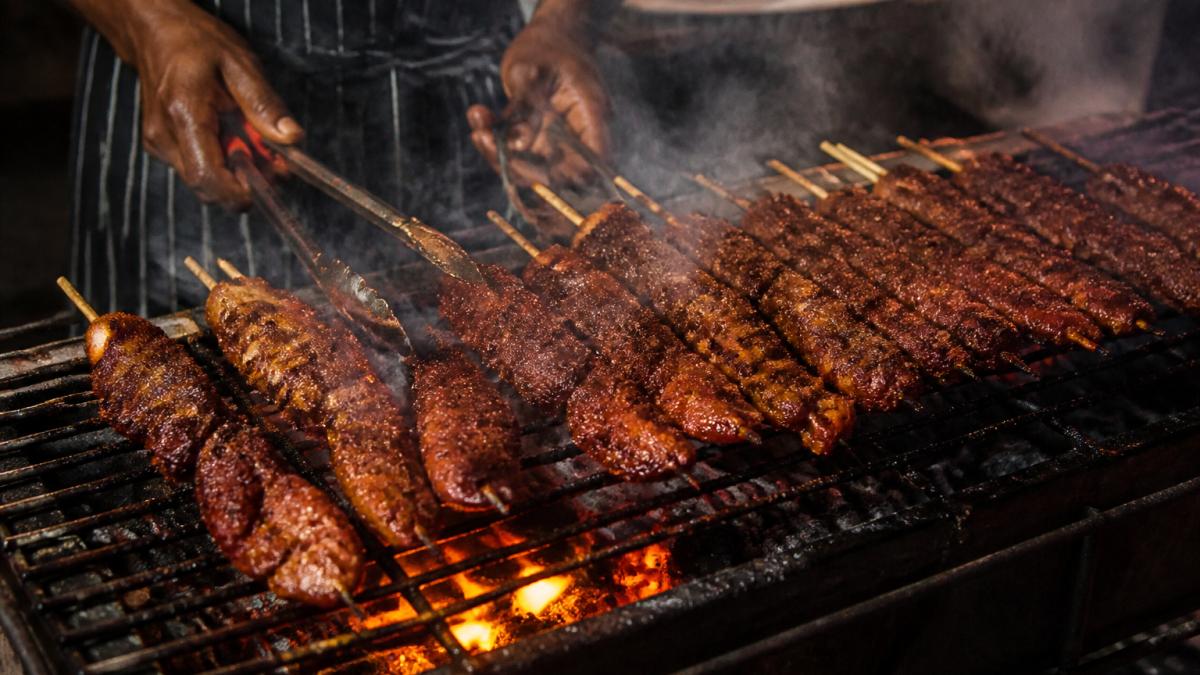
This West African grilled meat skewer relies on technique, spice, and flame to achieve its distinctive character.
Nigerian Suya Seasoning and Flavour Development
The exact recipe varies by region and family.
Experience Open Fire Cooking at Monika Restaurants
Understanding open fire cooking taste benefits is one thing. Experiencing it is another entirely. Discover the best Nigerian restaurants in London that specialise in this cooking style.
At Monika Restaurants, open fire cooking is a feature of our offering.
Our offering includes seafood and grilled meats.
Traditional Nigerian cooking methods and their cultural significance provides context for why these techniques have endured for generations. There's a reason open fire cooking remains central to West African cuisine. It works.
When you're ready to experience open fire cooking, book a table at Monika Restaurants. Bring friends, bring family, bring your curiosity.
Frequently Asked Questions
Why do open fire cooking taste benefits make food taste better than conventional grilling?
Open-fire cooking is a method used to cook food over an open flame.
What gives Nigerian suya its distinctive flavour?
Nigerian suya seasoning typically combines ground peanuts, cayenne pepper, paprika, garlic, ginger, and spices like cumin and coriander. When this blend coats meat grilled over open flames, the heat caramelises the spices whilst the smoke adds depth. The combination of the seasoning's warmth and the fire's char creates the signature bold, slightly spicy taste that defines authentic suya.
How does smoke affect the flavour of grilled food?
Smoke deposits flavour compounds directly onto the food's surface, creating a savoury depth that dry heat alone cannot achieve. Different woods produce distinct smoke profiles: hardwoods like oak and hickory create stronger, more complex flavours, whilst fruitwoods offer subtle sweetness. The duration and intensity of smoke exposure determine whether the flavour is delicate or bold, making wood selection crucial for achieving desired taste results.
What open-fire cooking techniques should I use to keep meat juicy while developing flavour?
Use indirect heat by positioning meat away from the hottest flames, allowing it to cook gently whilst still absorbing smoke. Avoid moving meat constantly; let it develop a crust before turning. Maintain consistent temperature by managing fire intensity and positioning. Baste meat occasionally with oil or marinade to retain moisture. Rest the meat after cooking so juices redistribute throughout, ensuring tenderness alongside the charred, flavourful exterior.
Open fire cooking taste benefits aren't abstract. They're real, measurable differences in flavour, texture, and the overall eating experience. When you understand the science and master the technique, you unlock something that standard cooking methods simply cannot deliver. Explore our menu to see how we apply these principles, or discover more about grilled chicken and jollof rice to deepen your understanding of open-fire techniques at home.
